
Hair Care Routine for Low Porosity Hair: Expert Tips for Moisture Leave a comment
For people with low porosity hair, it’s important to provide them with light products that contain moisture and to apply them to warm hair, which will help the cuticles take in moisture.
The highest results will be seen if heavy oils are avoided and if steam or warm towels are used when deep conditioning, and if clarifying shampoos are used to remove product buildup.
Starting with low porosity hair, absorb moisture better.Enhance moisture absorption of low porosity hair.
Your hair cuticles are snugly together, which means water and oils don’t absorb into the hair. This forms a barrier that will hinder the effectiveness of the traditional moisturizers. This can be helped by applying heat and consistency, allowing hydration to penetrate those “stubborn cuticles”.
Get clarifying hair treatments once or twice a month to remove mineral build up and product residue. When the hair does not absorb even after washing, it has probably reached the point where the buildup is blocking absorption. If you are in a hard water area, a chelating shampoo is required as the mineral salts physically block the cuticle.
Use the heat when conditioning: wrap hair in warm damp towel or hooded steamer. It is best to leave the conditioner on for 15-20 minutes, so it can soften the outer cuticle layer. If not, most deep conditioner will sit on the surface of the hair, giving it a temporary sheen that will wash off after rinsing.
Select those products that have honey or glycerin, since these suck water into the hair shaft without weighing the product down. When using leave-in conditioner always apply in layers while hair is still wet to keep it inside.
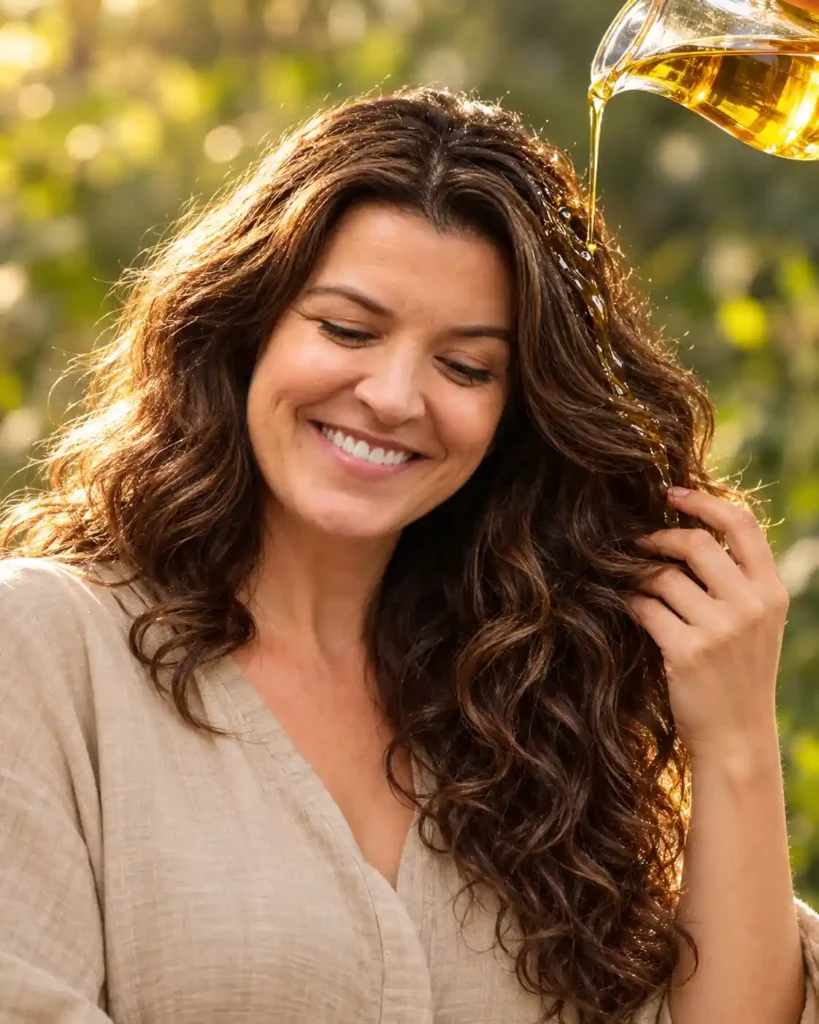
Last but not least, seal lightly with grapeseed or sweet almond oils. If your hair is fine and/or low porosity, steer clear of heavy butters such as shea, since they will leave a waxy film that would require you to re-cleanse your hair as soon as possible.
Low Porosity Hair Care Routine
| Step | What to Do | How to Do It | Purpose |
|---|---|---|---|
| 1. Cleanse | Shampoo your scalp | Wet hair thoroughly, massage shampoo gently into the scalp, and rinse well. | Removes oil, sweat, dirt, and product residue. |
| 2. Clarify when needed | Use a clarifying shampoo occasionally | Clarify when hair feels waxy, dull, greasy, or coated despite washing. | Helps remove stubborn product buildup. |
| 3. Condition | Apply a suitable conditioner | Distribute through the lengths, focusing on dry or tangled areas. Follow the product instructions and rinse thoroughly. | Improves softness, manageability, and detangling. |
| 4. Use gentle warmth if desired | Try a warm towel or conditioning cap | Use comfortable warmth during conditioning; avoid excessive heat. | Makes conditioning more comfortable and may help distribute the product. |
| 5. Deep condition when necessary | Use a conditioning mask | Apply when hair feels unusually dry, rough, tangled, or difficult to manage. Adjust frequency to your hair’s needs. | Provides additional conditioning without unnecessary product layering. |
| 6. Apply leave-in conditioner | Use a small amount on damp hair | Smooth through the mid-lengths and ends, adding more only if needed. | Helps with manageability and reduces friction during styling. |
| 7. Use oil sparingly | Apply a few drops if beneficial | Experiment with a lightweight oil or serum, concentrating on the ends. | Adds lubrication and helps reduce friction without excessive heaviness. |
| 8. Use protein thoughtfully | Choose products based on your hair’s response | If protein-heavy treatments repeatedly leave hair stiff or rough, reduce their use or try another formula. | Avoids unnecessary treatments that do not suit your hair. |
| 9. Detangle gently | Use a suitable wide-tooth comb | Work in sections and gently detangle from the ends toward the roots. | Reduces pulling, tangling, and avoidable breakage. |
| 10. Dry carefully | Blot or squeeze out excess water | Use a soft cotton T-shirt or microfiber towel. Air-dry when practical. | Minimizes friction and mechanical damage. |
| 11. Style simply | Apply one styling product if needed | Use a lightweight product that suits your hair texture and desired style. | Helps maintain natural movement without excess buildup. |
| 12. Protect your hair | Reduce unnecessary friction and heat | Handle hair gently, avoid excessive heat styling, and use heat protectant when heat styling. | Helps limit damage and breakage. |
The most important products and ingredients
The components of the hair that you use are either going to keep the hair moist or create a waxy film on the hair. The most important thing to consider is to avoid using products that are not water-based and have a high viscosity.
Heavy ingredients will clump in the hair, giving it a stiff or greasy feel. According to the National Center for Biotechnology Information, the integrity of the hair cuticle is the main component that determines a good hair’s ability to hold moisture.
If you find that you are applying them to your hair and it is still feeling brittle, you may be using sealants that are too heavy for your hair.
Heavy oils work great on hair with high porosity and Lighter oils work great on hair with low porosity. One trick is to put one strand in water. If floating the light botanical oils and if sinking the heavy oils.
It’s a common error to pile on several heavy products at once. This provides a seal which prevents water penetration into the shaft and thus causes internal dryness. Use products in order from thinnest to thickest to ensure the product is absorbed properly.
| Ingredient Type | Best Choices | Ingredients to Avoid |
|---|---|---|
| Moisturizers | Honey, Vegetable Glycerin | Heavy Mineral Oils |
| Sealants | Grapeseed, Argan Oil | Raw Shea Butter, Beeswax |
| Proteins | Hydrolyzed Wheat Protein | Heavy Keratin Treatments |
The most frequent error is thinking that a higher production translates to more moisture. Low porosity hair does not absorb thick cream, and extra layers will form a film on the surface which will block water absorption. To prevent the water from sitting on top of the cuticle, products should be used only when the hair is wet.
Don’t over-use protein products. Too much protein can cause hair strands to become brittle and straw-like, as an excessive amount of protein will tighten the already tight cuticle structure. Once hair snaps when pulled, it’s time to move to a moisturizing and conditioning product.
Another common mistake is neglecting to pay attention to the temperature of the water. In a good way, cold water works to flatten and seal the cuticle, and in a bad way, it deprives the hair of moisture.
Use lukewarm or warm water when washing to help the cuticle to lift up a little. If you have moisturized your hair, but it is still dry, think of product buildup and use a clarifying shampoo instead.

Frequently Asked Questions
Is it safe to use coconut oil for hair?
Coconut oil should be used judiciously as it is a heavy oil and tends to coat high porosity hair. It can cause a substantial amount of accumulation and over time your hair can feel stiff and hard to style.
Should you deep condition is once every few weeks?
Deep conditioning once every two weeks is recommended, as it helps to maintain moisture balance. Heat is required in this process to achieve this as the heat will help penetrate the hair shaft and not just the outer surface.
Does protein harm hair types?
Protein itself is not a bad thing, however, it should be used sparingly so as to prevent brittle hair. If you notice your hair is brittle or stiff, it’s a sign that you’ve introduced too much protein, so you should start your hair on a purely moisturising routine for a few weeks.
Conclusion
Pay attention to how your hair responds to a new product instead of what it’s labeled. If your hair absorbs dye or feels sticky after washing it within 1 day, switch to a lighter formulation.
Regular, mild clarifying will be the most effective method to maintain your hair receptive to its requirement for moisture.
